
The ambitious High Speed 2 (HS2) project, once hailed as a transformative infrastructure investment for the UK, is once again under the spotlight. Recent reports suggest that the project is facing significant cost escalations and increasing uncertainty regarding its completion timeline, raising fresh concerns among parliamentarians and the public alike.

Escalating Costs and Budgetary Pressures
Sources within the industry indicate that the projected budget for HS2 is under considerable strain, with estimates suggesting a potential for further overruns. While official figures are yet to be released, industry insiders whisper of revised costings that could push the final bill considerably higher than the initially allocated sums. This news comes at a time when public finances are already stretched, leading to increased pressure on the government to justify the ongoing expenditure on the high-speed rail link. The complexity of tunnelling and engineering works, coupled with inflationary pressures on materials and labour, are cited as primary drivers for these escalating costs. The situation echoes some of the challenges faced by major infrastructure projects throughout history, where unforeseen complications can significantly impact budgets and schedules.
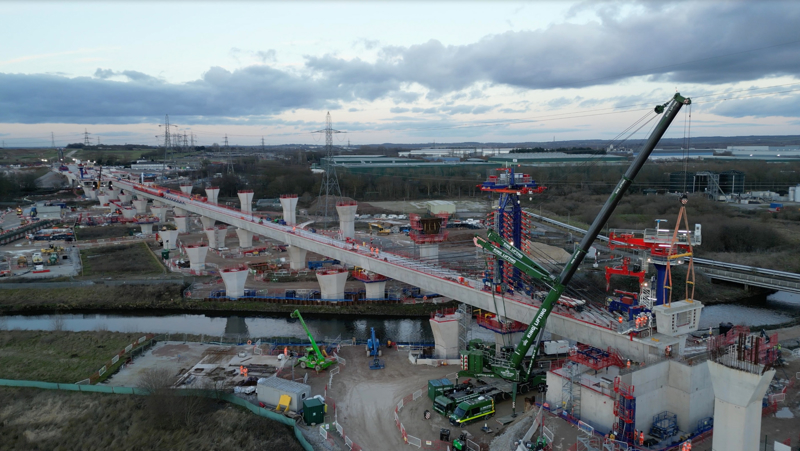
Timeline Slippage and Project Deliverability
Beyond the financial implications, the timeline for HS2’s completion is also becoming a subject of intense debate. While the project’s phases have been progressing, the overall delivery schedule is reportedly facing delays. These slippages are attributed to a combination of factors, including planning hurdles, environmental impact assessments, and the sheer scale of the undertaking. The uncertainty surrounding the final completion dates for various sections of the line is creating a ripple effect, impacting the wider UK rail network’s long-term planning and investment strategies. Stakeholders are calling for greater transparency and a clearer roadmap from the government to ensure the project’s successful and timely delivery, mitigating further financial risks and public disappointment.


