
For more than 20 years, the Class 222 Meridian has been a familiar sight on the Midland Main Line, carrying passengers between London St Pancras and destinations across the East Midlands and South Yorkshire.
Introduced by Midland Mainline in 2004, the fleet brought 125 mph diesel multiple-unit operation to services previously worked by a mixture of High Speed Trains and Class 170 Turbostars. Since then, the Meridians have survived two changes of operator and become closely associated with intercity travel to Leicester, Derby, Nottingham and Sheffield.
Now, however, their position is changing. East Midlands Railway’s new Class 810 Aurora fleet is entering service, beginning the replacement of trains that have spent two decades at the heart of Midland Main Line operations.
Developing the Class 222
The Class 222 was developed by Bombardier Transportation as part of the Voyager family of high-speed diesel multiple units.
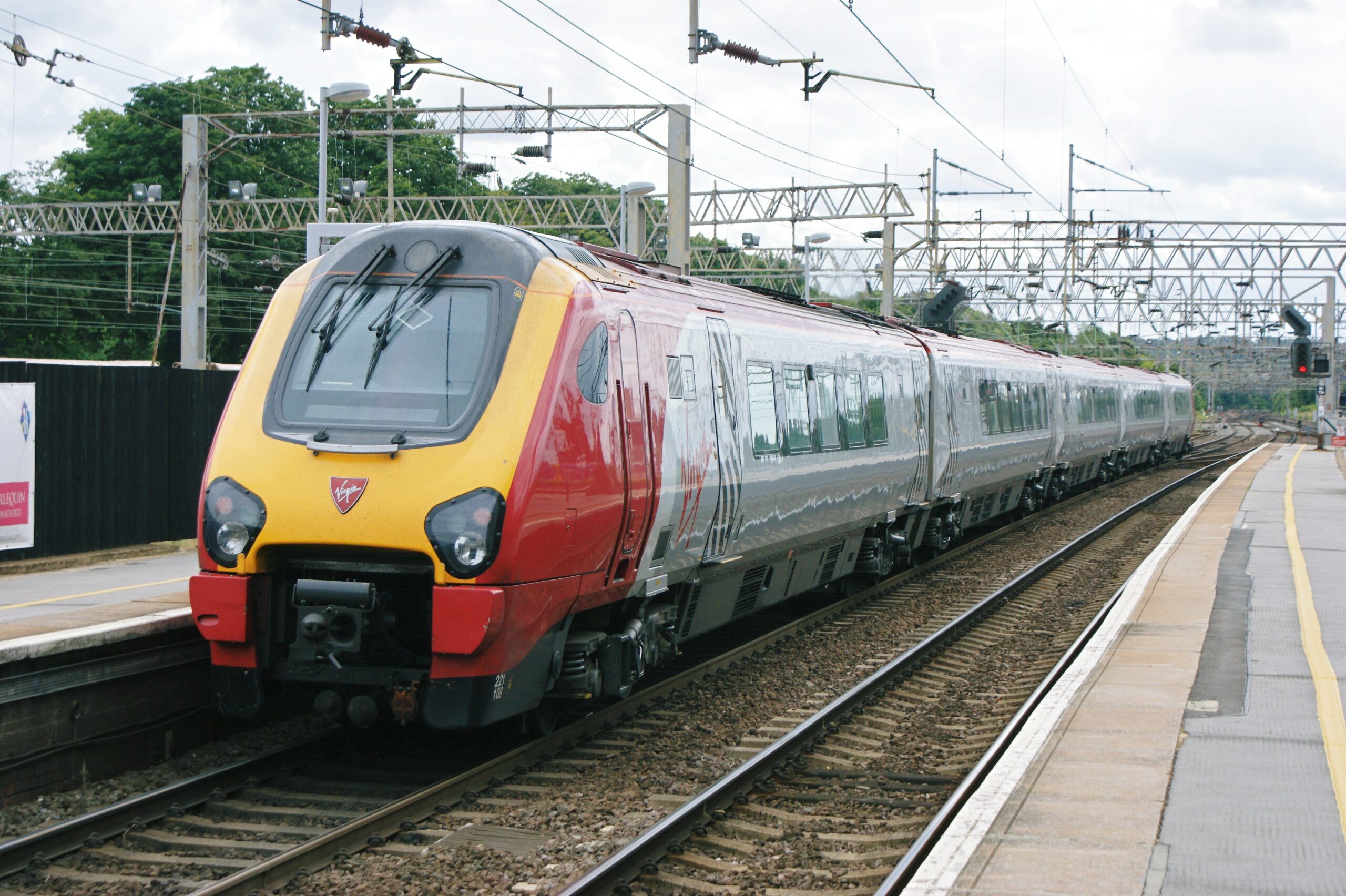
Its ancestry is immediately obvious.
The distinctive streamlined cab ends share their appearance with the Class 220 Voyager and tilting Class 221 Super Voyager fleets, but the Class 222 was developed specifically around the requirements of Midland Mainline.
Bombardier built the trains in Belgium between 2003 and 2005.
A total of 27 units were constructed: 23 for Midland Mainline and another four for Hull Trains.
The first Midland Mainline Class 222 entered passenger service on May 31, 2004, with the operator branding its new trains Meridians.
Although closely related to the Voyager, changes to the equipment layout created additional space inside the passenger saloons. The trains were designed from the outset for long-distance intercity work, with First and Standard Class accommodation and catering facilities.
Class 222 Meridian specifications
Manufacturer: Bombardier Transportation
Built: 2003-2005
Entered service: 2004
Number built: 27 units
Traction: Diesel multiple unit
Maximum speed: 125 mph
Original operators: Midland Mainline and Hull Trains
Current operator: East Midlands Railway
Main route: Midland Main Line
One of the Class 222’s greatest strengths is its performance.
With diesel engines distributed beneath the train rather than concentrated in separate power cars, the Meridian combines a maximum speed of 125 mph with strong acceleration.
That made it particularly well suited to the Midland Main Line, where high-speed running is combined with calls at major stations along the route.
The Original Meridian Fleet
Midland Mainline’s 23 trains were not all built to the same length.
Seven were originally delivered as nine-car units, while the remaining 16 were four-car trains.
This provided the operator with different levels of capacity for its services from London St Pancras.
The fleet was subsequently reformed, with vehicles transferred between units. The former nine-car trains were shortened while other sets were lengthened.
Today, EMR’s remaining Meridian operation uses five-car trains, which can also work coupled together when additional capacity is required.
The ability to reform the fleet has allowed the Class 222 to adapt considerably during its career.
The Hull Trains Pioneers
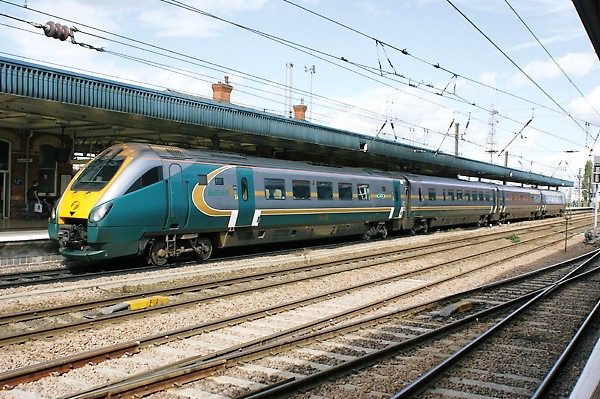
Units 222101 to 222104 were ordered for Hull Trains, entering service in 2005 under the Pioneer name.
They replaced Class 170 Turbostars on services between Hull and London King’s Cross and allowed Hull Trains to take advantage of the Class 222’s 125 mph capability on the East Coast Main Line.
Their interiors differed from Midland Mainline’s Meridians, but mechanically they belonged to the same family.
The Pioneer era did not last particularly long.
Hull Trains moved toward the Class 180 Adelante, and its four Class 222s transferred to East Midlands Trains during 2008 and 2009.
For the first time, all 27 Class 222s were brought together within the East Midlands operation.
East Midlands Trains Takes Over
Midland Mainline’s franchise ended in 2007, with its Class 222 fleet passing to East Midlands Trains.
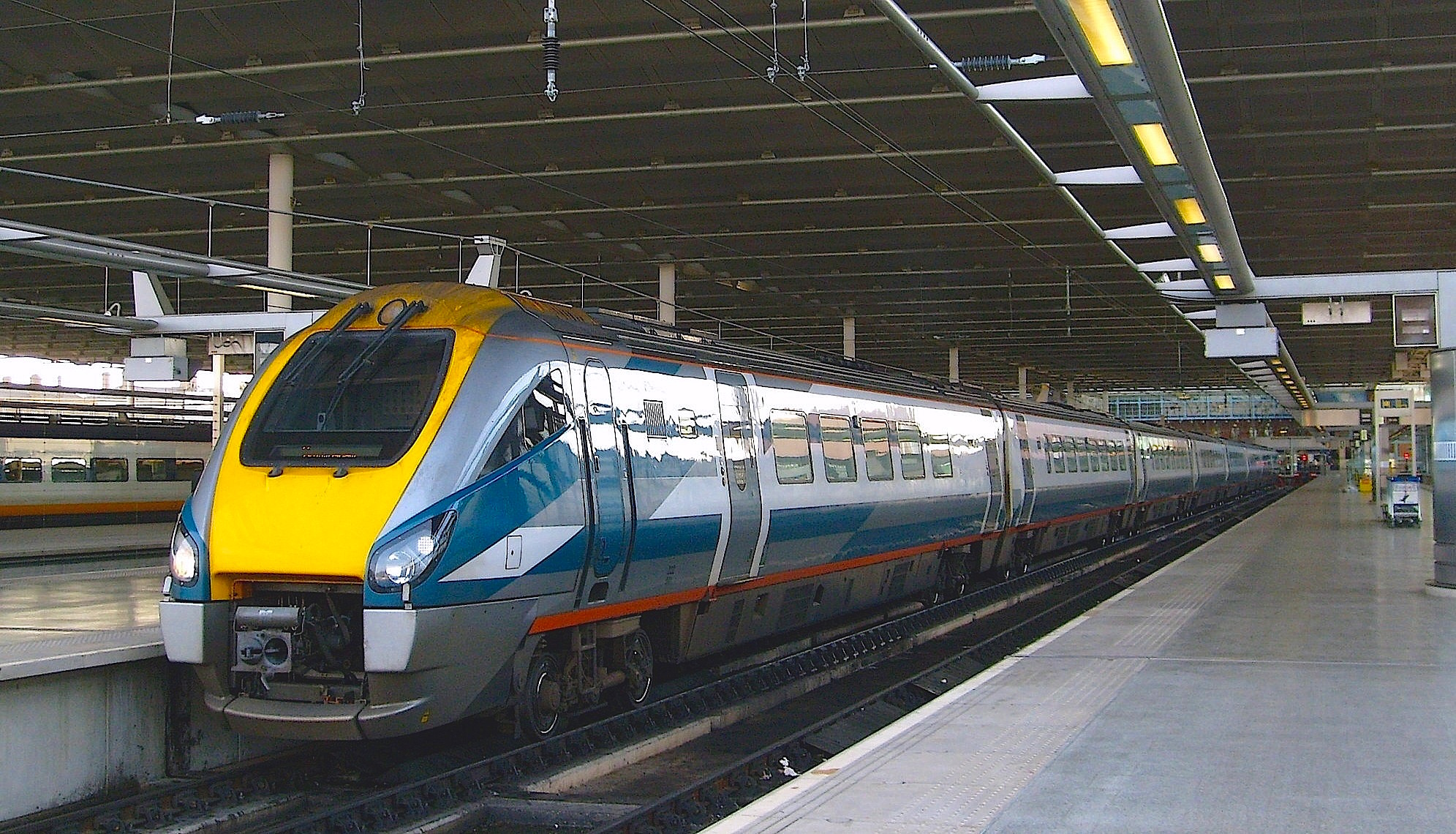
The Meridians continued operating alongside the Midland Main Line’s HST fleet but gradually took on some of the route’s most important services.
In December 2008, Class 222s began operating the hourly London St Pancras to Sheffield service.
Their acceleration gave them an advantage over the HST on a route containing several station calls. While the HST remained capable of the same 125 mph maximum speed, its locomotive-style power cars and different performance characteristics made the two trains quite different in operation.
For passengers, the Meridian increasingly became part of the identity of the Midland Main Line.
A Class 222 beneath the roof at St Pancras became as familiar as seeing one at Leicester, Derby, Nottingham or Sheffield.
What Is a Class 222 Like for Passengers?
The Meridian was designed as an intercity train rather than a regional DMU.
Its accommodation includes First and Standard Class seating, toilets, luggage provision, air conditioning, passenger information equipment and catering facilities.
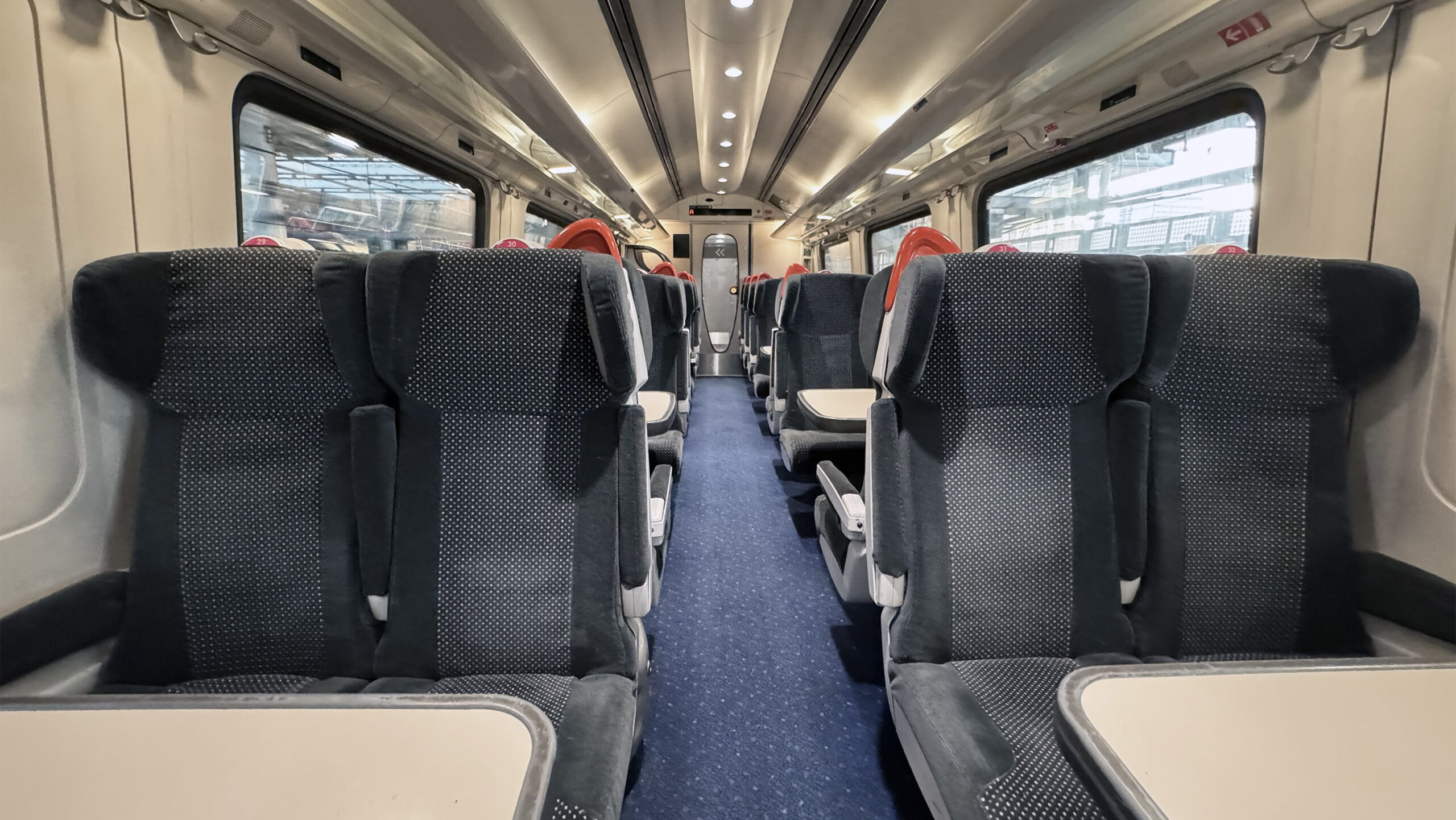
One unavoidable characteristic is the presence of diesel engines beneath the passenger vehicles.
Anyone who regularly travels on a Meridian will recognise the sound and vibration as the engines respond when the train accelerates.
But distributed power is also part of what gives the Class 222 its performance.
Rather than relying on separate locomotives or power cars, traction equipment is spread through the formation. The train can accelerate strongly away from stations before reaching the higher speeds required for intercity running.
More than two decades of intensive use have inevitably taken their toll on the interiors, and East Midlands Railway began a refresh programme covering the fleet in 2024.
Work included thousands of seat components and improvements to the toilets across all 27 trains.
East Midlands Railway
Another change came in 2019, when East Midlands Railway replaced East Midlands Trains.
The Meridians remained.
Under EMR, the Class 222 has continued working long-distance services from London St Pancras, including trains to Nottingham and Sheffield.
By this stage, however, plans were already developing for their eventual replacement.
The problem was not simply the age of the trains.
It was the changing Midland Main Line.
Electrification Changes the Equation
When the Class 222 was ordered, diesel traction made sense.
Much of the Midland Main Line beyond the London commuter network lacked overhead electrification. A self-powered train capable of 125 mph could operate throughout the route without changing locomotives or requiring extensive new infrastructure.
Two decades later, the railway is moving in a different direction.
Electrification has been extended farther along the Midland Main Line, creating sections where electric traction can be used.
A Class 222 cannot take advantage of those wires.
Regardless of whether overhead electrification is available, a Meridian must continue using its diesel engines.
That is where its successor differs.
The Class 810 Aurora Arrives
East Midlands Railway’s Class 810 Aurora fleet has been built by Hitachi specifically for the Midland Main Line.
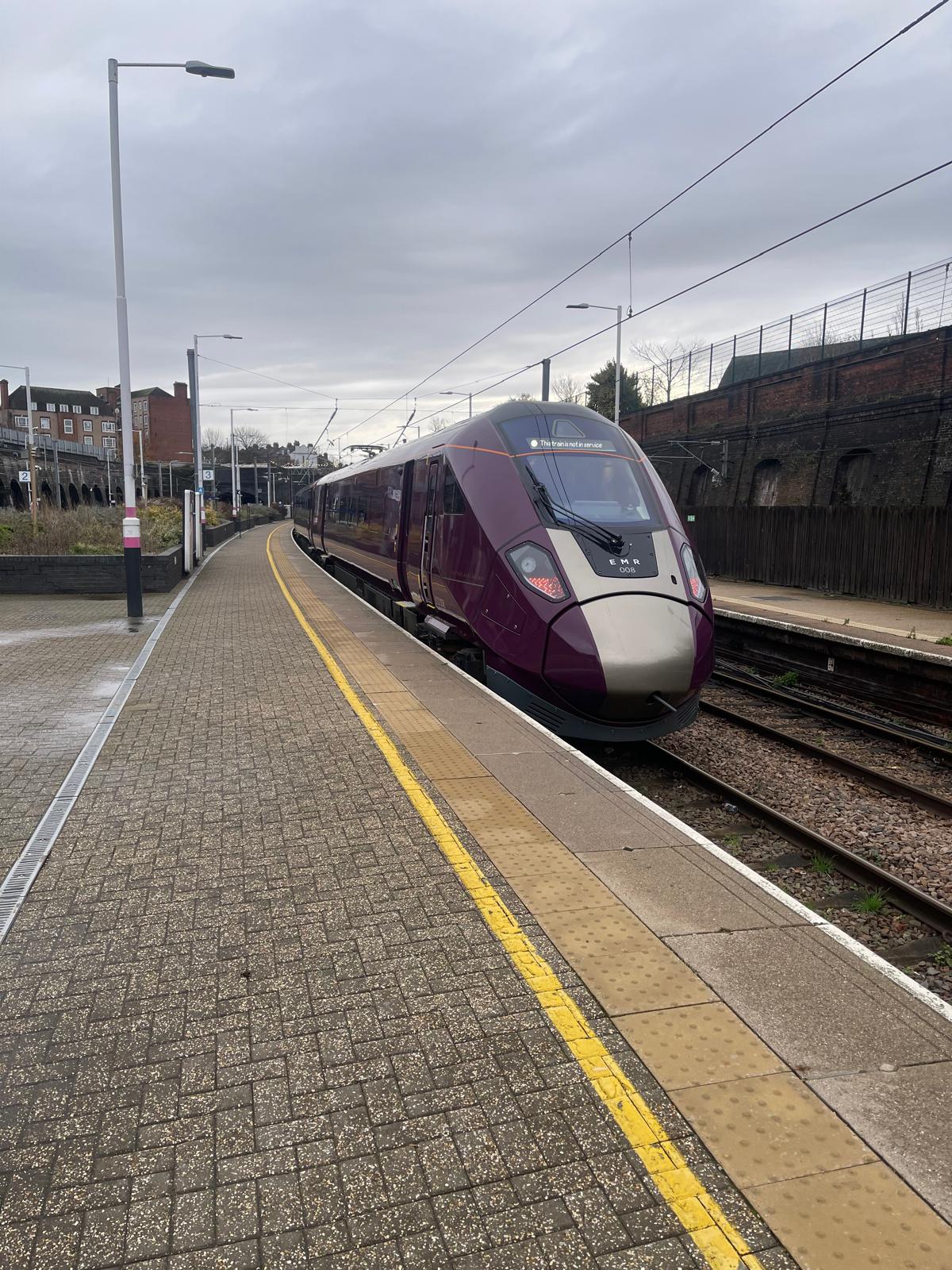
Unlike the diesel-only Meridian, the Class 810 is bi-mode.
It can draw electricity from overhead wires where they are available and use its diesel engines on sections of railway that remain unelectrified.
That makes the Aurora much better suited to a route undergoing gradual electrification.
The new five-car trains are now joining EMR’s Intercity fleet, beginning a transition that will ultimately end the Class 222’s long association with the Midland Main Line.
For the moment, the old and new generations can be seen working alongside each other.
What Happens to the Meridians Next?
Leaving the Midland Main Line does not necessarily mean the end of the Class 222.
The trains are only just over 20 years old and remain capable of 125 mph operation, making them potentially useful rolling stock if a suitable future role can be found.
However, redeploying an intercity fleet is rarely straightforward.
Any new use has to take account of route requirements, maintenance, crew training, depot facilities and the economics of continuing to operate diesel-only trains as the railway moves toward greater electrification.
Whatever their eventual destination, the Meridians have already had a substantial career.
A Midland Main Line Mainstay
When the Class 222 Meridian entered service in 2004, it represented a new generation of intercity diesel train.
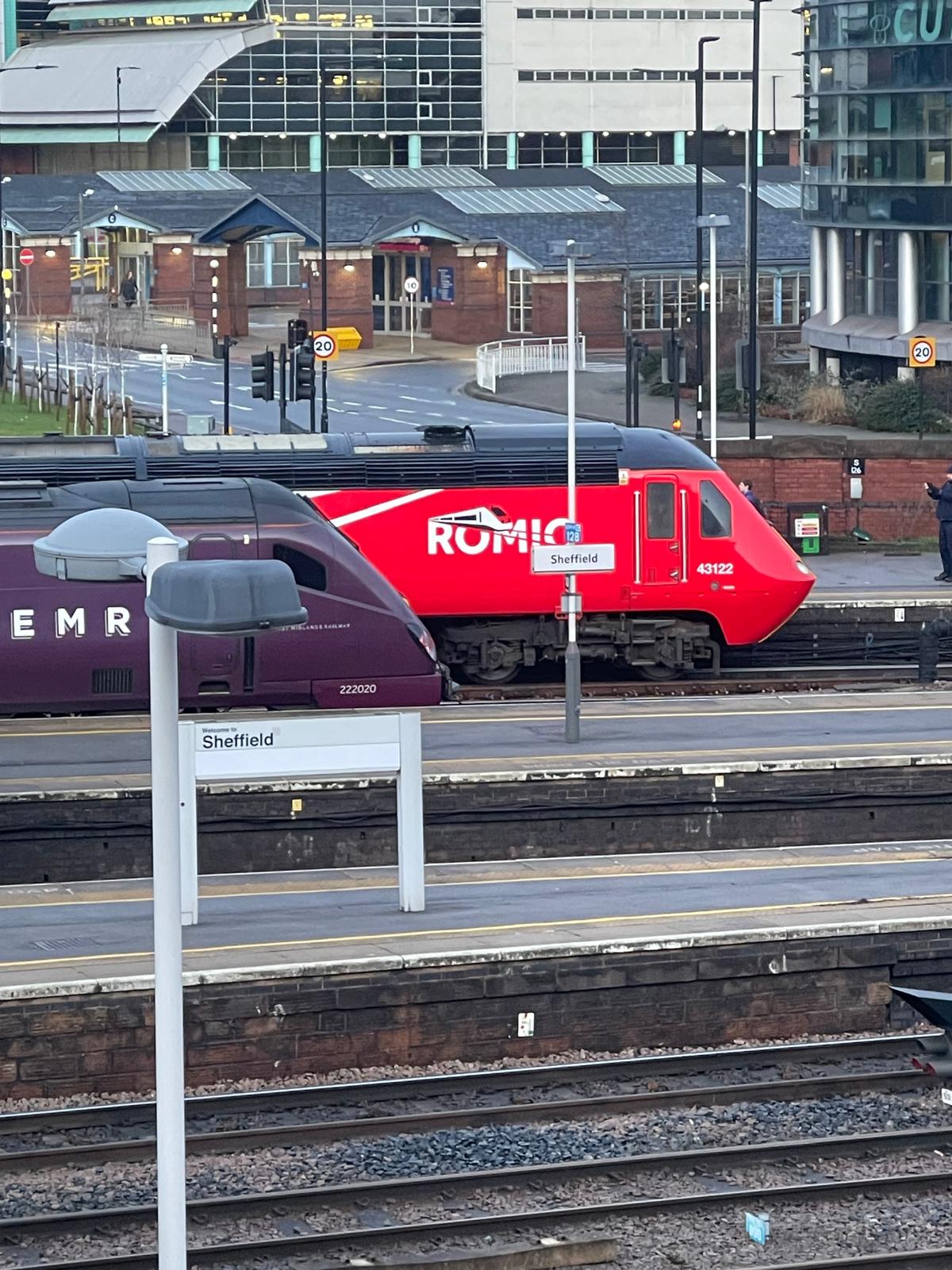
The HST was still a dominant presence on Britain’s railway, but trains such as the Meridian demonstrated how high-speed services could increasingly be operated by modern multiple units.
Twenty-two years later, the Class 222 itself is becoming the older generation.
It has worked for Midland Mainline, East Midlands Trains and East Midlands Railway. The former Hull Trains Pioneers eventually joined their sister units, bringing the entire fleet together.
Most importantly, the trains have spent more than two decades doing what they were built to do: carrying passengers at up to 125 mph along the Midland Main Line.
The arrival of the Aurora marks the beginning of a new chapter for East Midlands intercity services.
But for a generation of passengers, the distinctive shape and sound of a Meridian will remain inseparable from travelling between St Pancras and the East Midlands.
For more articles about different traction around the UK click here. For the latest going on at Railtraveller click here


