
The UK government has confirmed that Great Western Railway will return to public ownership in December 2026, marking another major development in the ongoing restructuring of Britain’s rail network. The move forms part of broader transport reforms designed to simplify rail operations and improve accountability across passenger services.
The decision places Great Western Railway among a growing number of operators transitioning away from privately held contracts and into state control. Officials say the transition is intended to create a more integrated railway system while maintaining day to day services for passengers.
Transport analysts describe the announcement as one of the most significant developments in the rail sector this year, particularly as the industry continues to face pressure over reliability, infrastructure investment, and long term financial sustainability.
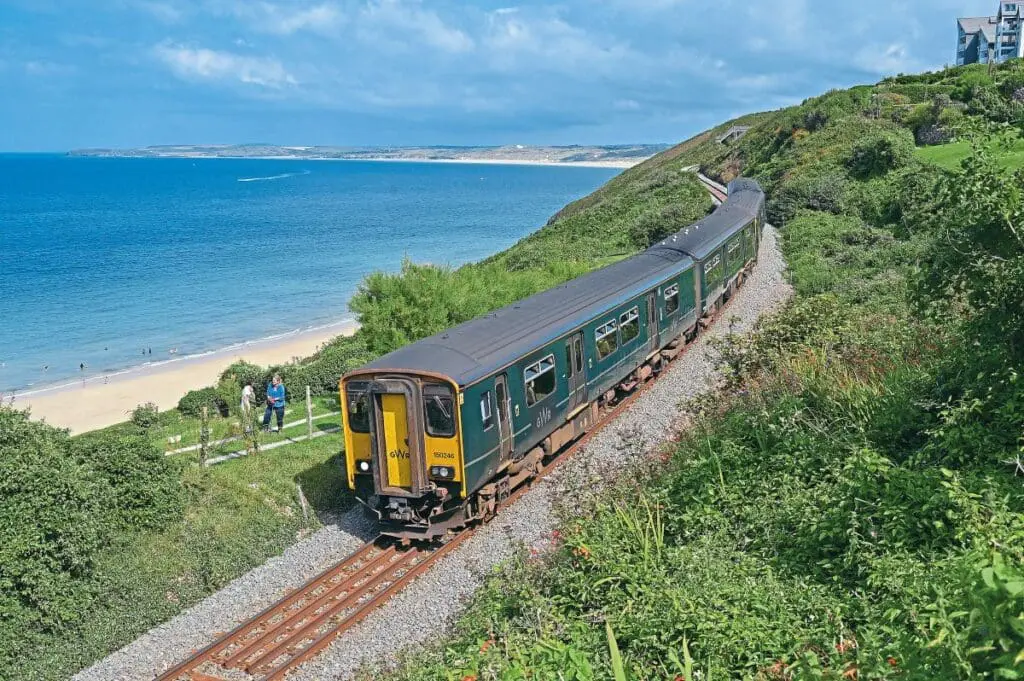
Government Pushes Ahead With Rail Reform
The Department for Transport said the transition will take place when the current operating contract expires in late 2026. Ministers argue that public ownership will allow for greater coordination between infrastructure management and train operations across the network.
Government representatives said the changes are part of a long term strategy to modernise rail travel and restore public confidence following years of disruption, timetable instability, and industrial disputes affecting services across England and Wales.
The reform programme is expected to work alongside the creation of Great British Railways, a proposed body intended to oversee track and train operations under a unified structure.
Industry observers note that several operators have already moved into public ownership in recent years following financial challenges and contract changes introduced after the pandemic reshaped travel patterns and passenger demand.
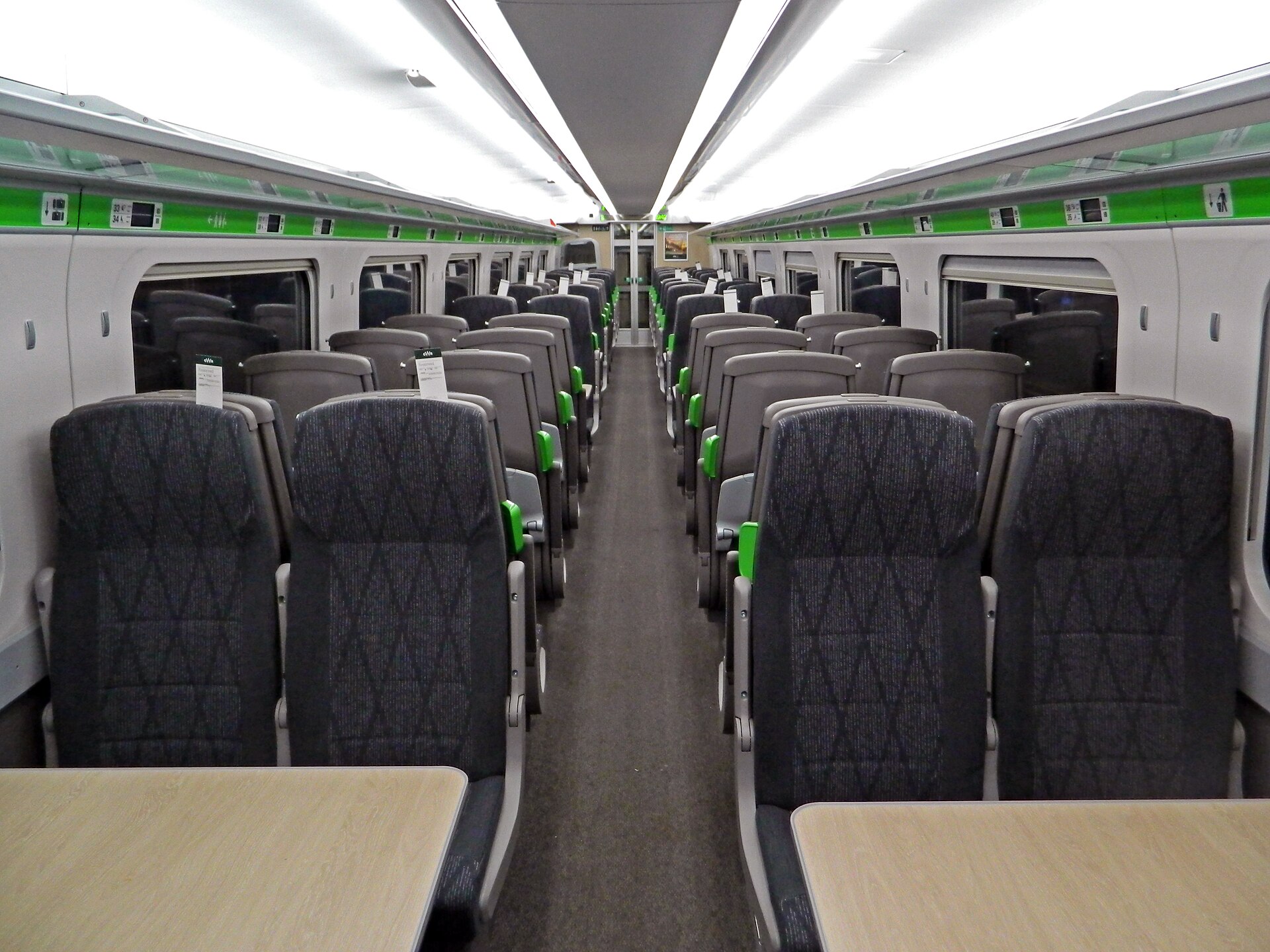
Industry Reaction Remains Mixed
Reaction across the rail sector has been divided. Passenger advocacy groups welcomed the announcement, arguing that greater public oversight could improve consistency and transparency for travellers.
Some rail industry organisations, however, cautioned that ownership changes alone may not resolve deeper structural issues facing the network. These include ageing infrastructure, staffing pressures, and rising operational costs linked to energy and maintenance.
Union representatives broadly supported the move and called for further investment in frontline staffing, station upgrades, and fleet modernisation. Several transport economists said the success of the transition will likely depend on long term funding commitments and operational efficiency rather than ownership structure alone.
Business groups also stressed the importance of maintaining reliable commuter and regional services during the handover process.
Wider Challenges Continue Across the Rail Network
The announcement comes during a period of continued operational pressure for Britain’s railways. Recent disruption linked to signalling and communications faults in southern England has renewed debate over infrastructure resilience and network reliability.
At the same time, the industry is accelerating the rollout of digital signalling systems intended to modernise train control and improve efficiency across key routes.
Rail experts say the coming years will be critical as operators balance reform, investment, and passenger expectations while adapting to changing travel habits after the pandemic era.
The transition of Great Western Railway into public ownership is expected to become a closely watched test case for the future direction of Britain’s railway system and the government’s wider transport strategy.
