
Network Rail’s Flying Banana has covered more than two million miles since it began inspecting Britain’s railway in 2003. Network Rail announced the milestone on Nov. 12, highlighting how the yellow inspection train helps engineers spot developing faults as the railway prepares for winter.
Officially called the New Measurement Train, it is a converted InterCity High Speed Train that can record track condition at speeds of up to 125 mph. That allows Network Rail to gather data over long stretches of railway without closing lines for the survey. Engineers use the results to decide where to inspect more closely or plan repairs.
What the Flying Banana checks at 125 mph
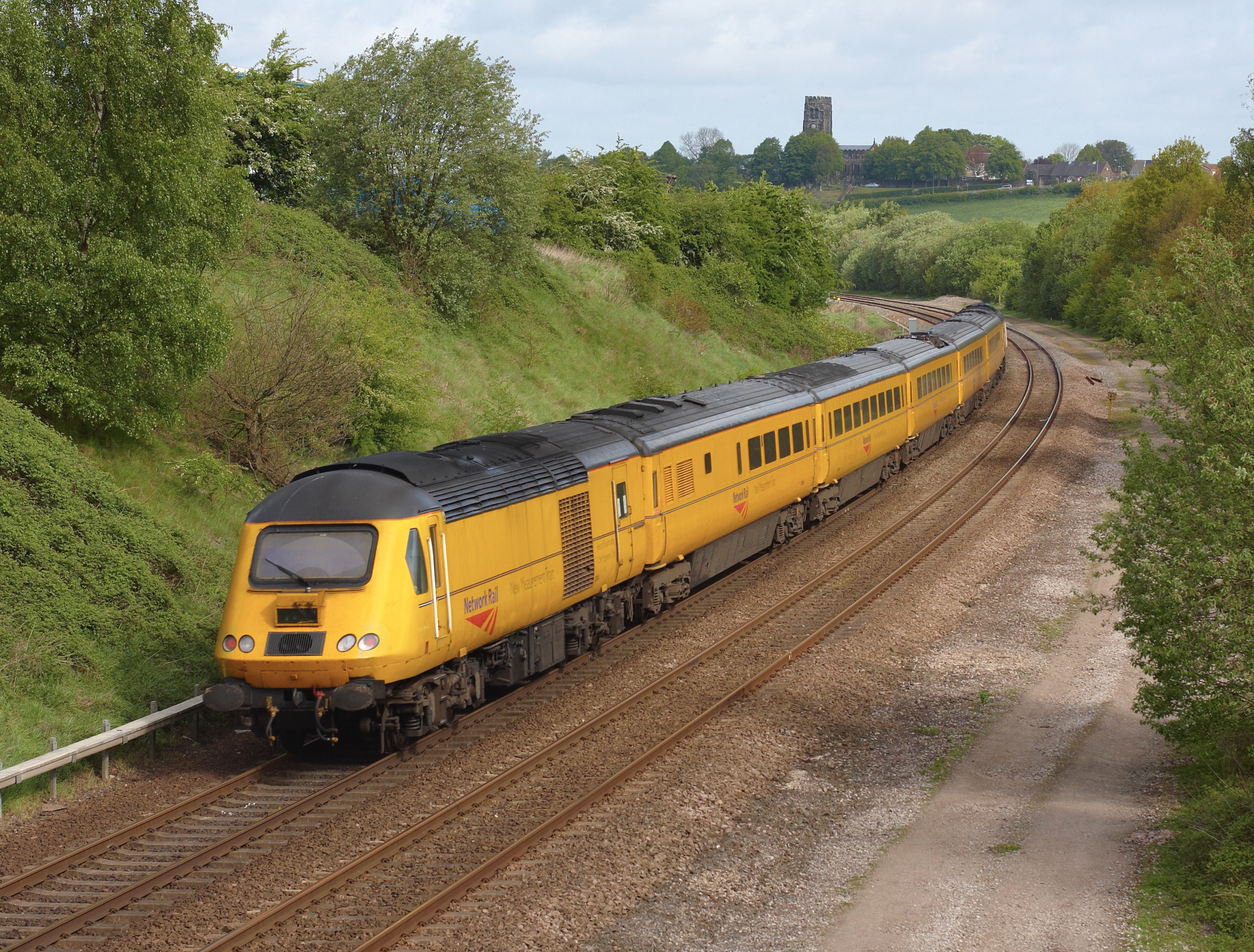
The train uses lasers and sensors to measure the shape of the rail head, the part of the rail that the wheels run on, and to detect changes in track geometry, including twist. The readings help engineers identify locations that need closer attention.
Cameras and image analysis software check individual track components as the train passes over them. One example is a missing rail fastening clip, which helps hold the rail in place on the sleeper. The software compares what the cameras capture with how the track should look, flagging potential defects for teams on the ground. The train also carries equipment for inspecting overhead power lines.
How the train fits into winter preparations
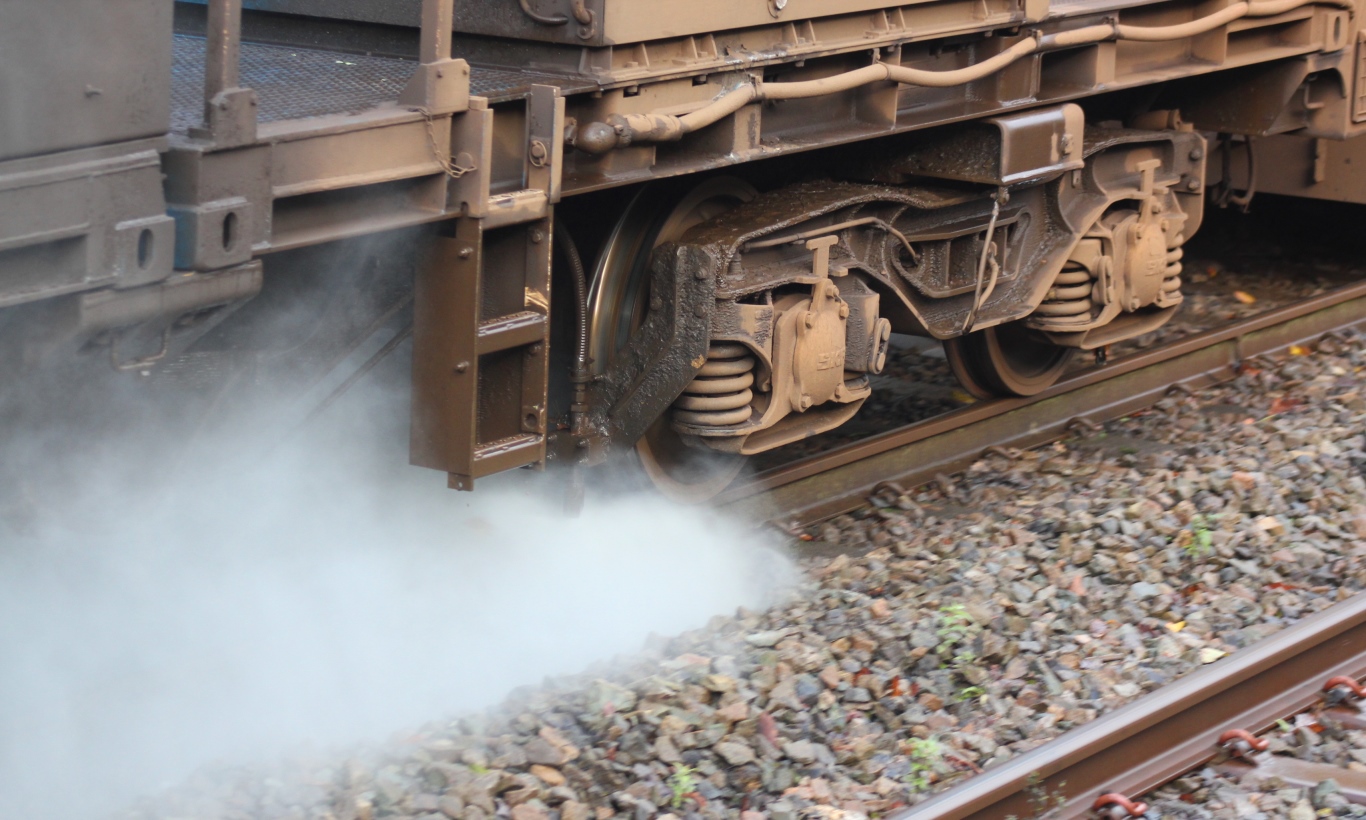
Heavy rain can overwhelm railway drainage and destabilize embankments and cuttings. Strong winds can bring branches and other debris onto the tracks, while wet leaves can reduce the grip between train wheels and rails. Network Rail says current information about track condition helps teams focus their attention where it is needed as those pressures build.
The inspection runs sit alongside work to manage vegetation and monitor locations prone to flooding or landslips. Separate railhead treatment trains use water jets to clear the slippery residue left by crushed leaves and apply a treatment to improve grip. Network Rail says passengers should check with their train operator before traveling when severe weather is forecast.
For more of the latest news click here want to keep up with the latest going on at RT click here


