
Railway bridge strikes cost around £13.25 million in delays, cancellations and repairs during 2025/26, according to new figures published by Network Rail.
The infrastructure manager recorded 1,706 incidents between April 1, 2025, and March 31, 2026. Together, they caused 185,319 minutes of delays to rail passengers.
The figures were released on Nov. 15 to mark Road Safety Week. The railway bridge over the A5 Watling Street in Hinckley, Leicestershire, topped the national ranking with 26 strikes.
Where railway bridge strikes happened most
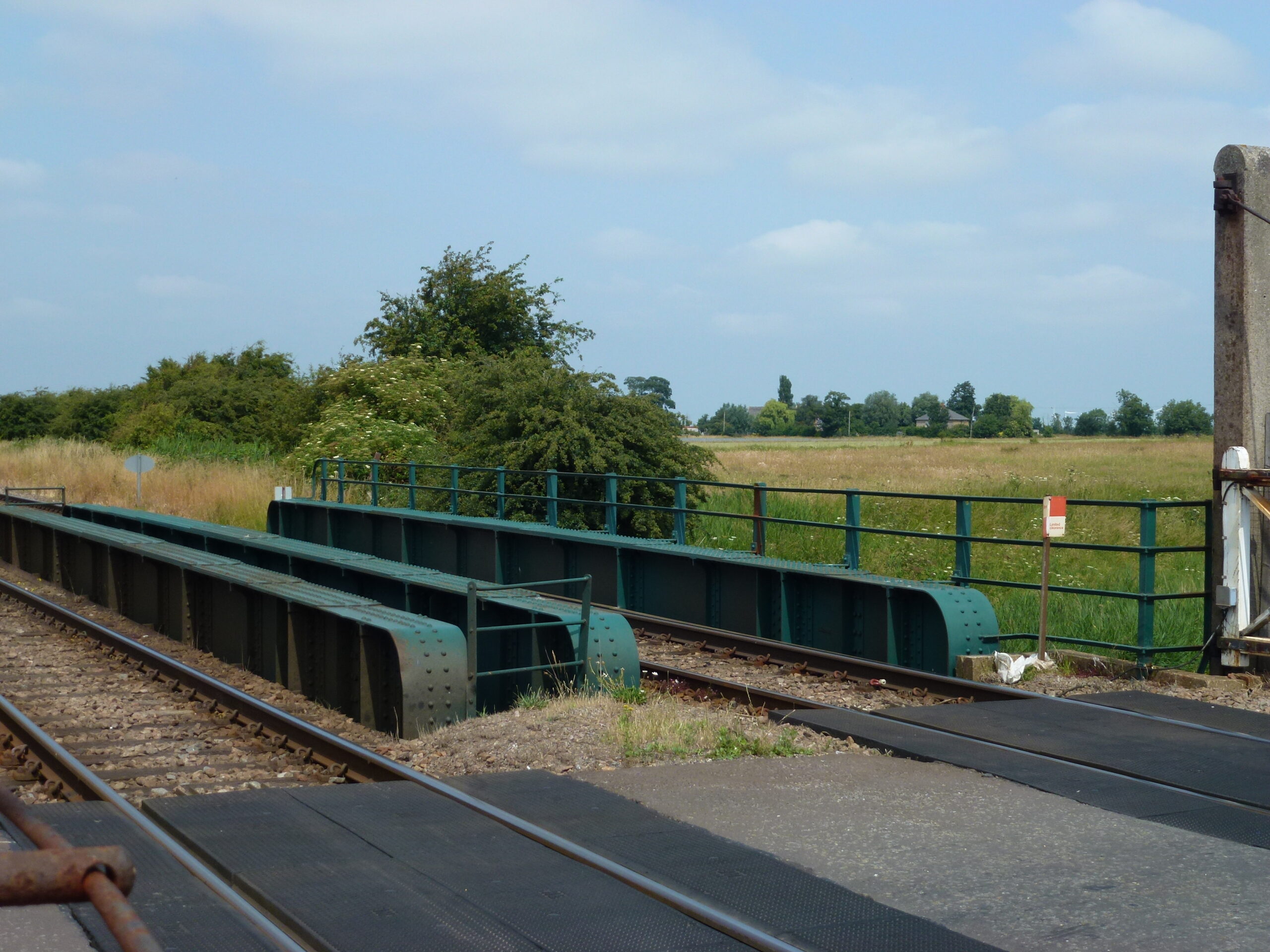
Stuntney Road in Ely followed Hinckley with 24 incidents, while Stonea Road in Cambridgeshire recorded 23. The bridge listed by Network Rail as Station B4105 in Berkswell was struck 18 times.
Bridge collisions affect more than the vehicle involved. Network Rail says structures must be examined after an incident to establish whether the railway is safe, and debris may also need clearing.
Those checks can disrupt trains and road traffic, with consequences for the surrounding community. The financial impact includes bridge repairs and examinations as well as compensation associated with train delays.
The annual ranking highlights locations repeatedly affected, rather than describing a single new collision. Its reporting period ended in March, although the figures have now been published as part of the latest safety campaign.
Technology trial aims to speed up assessments
Network Rail tested cameras and impact sensors at Harlaxton Road bridge in Grantham during a three-month trial starting in December 2025.
The equipment supplied real-time alerts and information to support damage assessments on most, but not all, occasions. The findings are being used to refine the technology and consider future use.
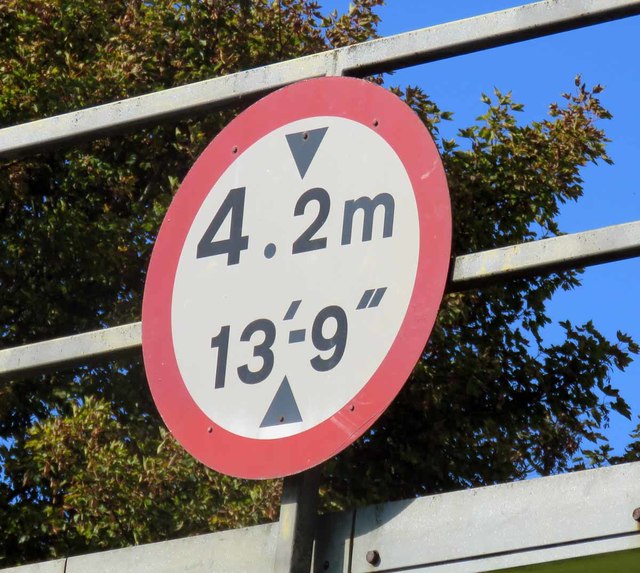
Prevention also depends on drivers knowing their vehicle’s height and planning a suitable route before setting off. Height restrictions need to be considered as part of that planning, alongside warning signs on the approach to a bridge.
Anyone involved in, or witnessing, a bridge strike should report it immediately using the telephone number on the bridge’s identification plate. Network Rail says that number connects to the regional railway control centre, allowing staff to take appropriate action.
The safety risk extends to people on the road and railway. Even where damage initially appears limited, the structure needs an assessment before normal operation can safely resume.
Have you ever been affected by a bridge strike? Let us know what happened in the comments below!


